
Beyond the Grindstone: Games That Mastered Weapon Durability in 2026
In 2026, weapon durability mechanics in games like Kingdom Come: Deliverance and Red Dead Redemption 2 transform tedious maintenance into an immersive, nerve-wracking survival challenge.
For many gamers, the mere mention of 'weapon durability' is enough to elicit a collective groan. It's a mechanic often synonymous with tedious backtracking to a blacksmith or an annoying resource sink, a real buzzkill in the middle of an epic adventure. However, in the vast landscape of open-world and immersive sims, a select few titles have flipped the script. These games don't just implement durability; they integrate it into the very fabric of their worlds, transforming maintenance from a chore into a compelling, and sometimes nerve-wracking, part of the gameplay loop. As we look at the gaming landscape in 2026, these standout examples continue to be benchmarks for meaningful mechanical depth.
Kingdom Come: Deliverance: The Artisanal Approach
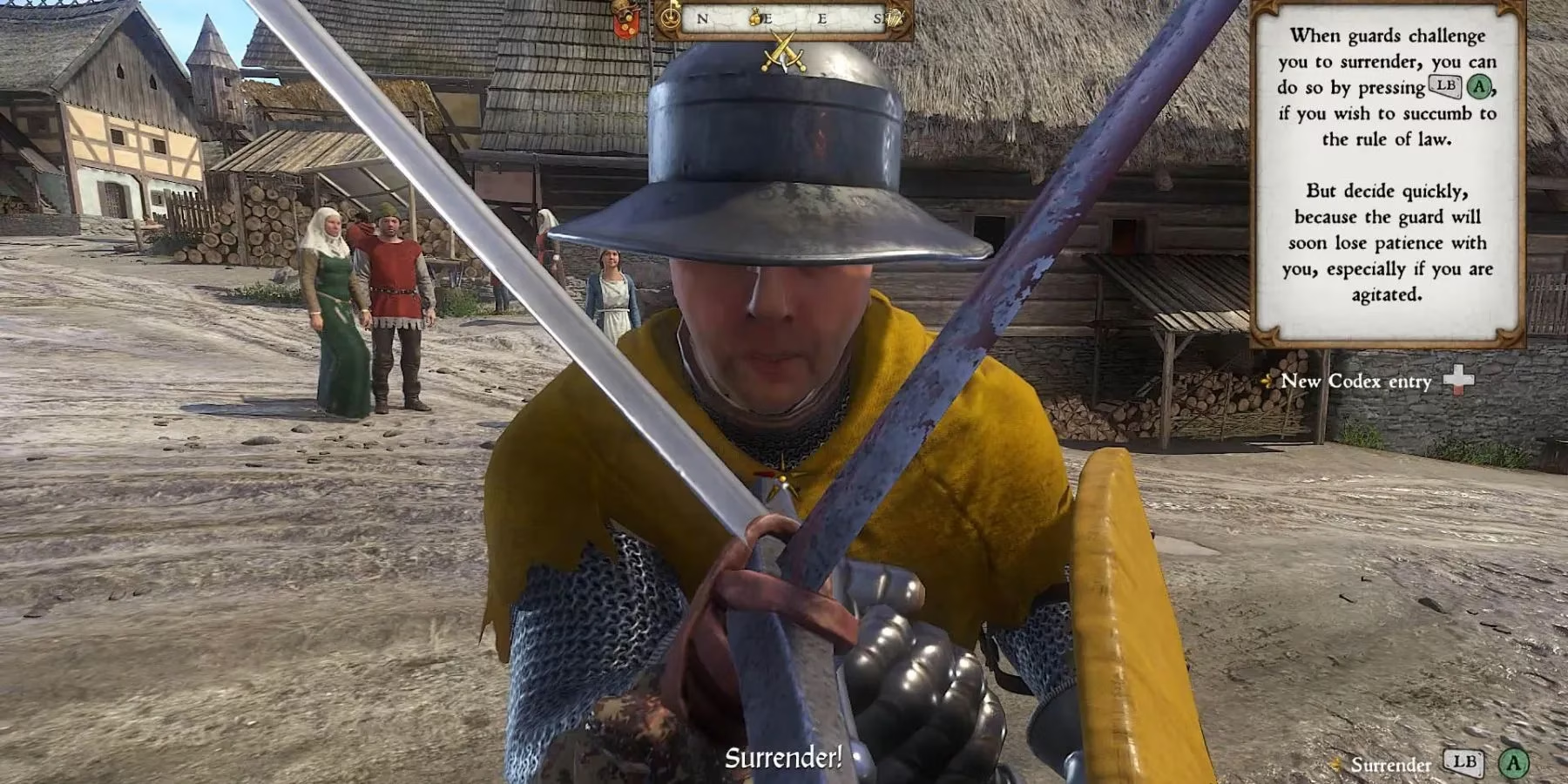
When it comes to uncompromising realism, Kingdom Come: Deliverance remains a gold standard. The game's dedication to simulating medieval life extends profoundly to its weapon maintenance. Forget a simple 'repair' button. If Henry's sword loses its edge, players must physically engage with a grindstone. This involves manually positioning the blade at the correct angle and rhythmically working it against the stone. It's a mini-game of skill and patience; a wrong move can actually make the blade duller. This hands-on process brilliantly reinforces Henry's journey from a blacksmith's son to a competent warrior—you literally learn the craft. It's not just maintenance; it's a moment of quiet, immersive role-playing that makes every sharpened blade feel earned.
Red Dead Redemption 2: The Cowboy's Creed
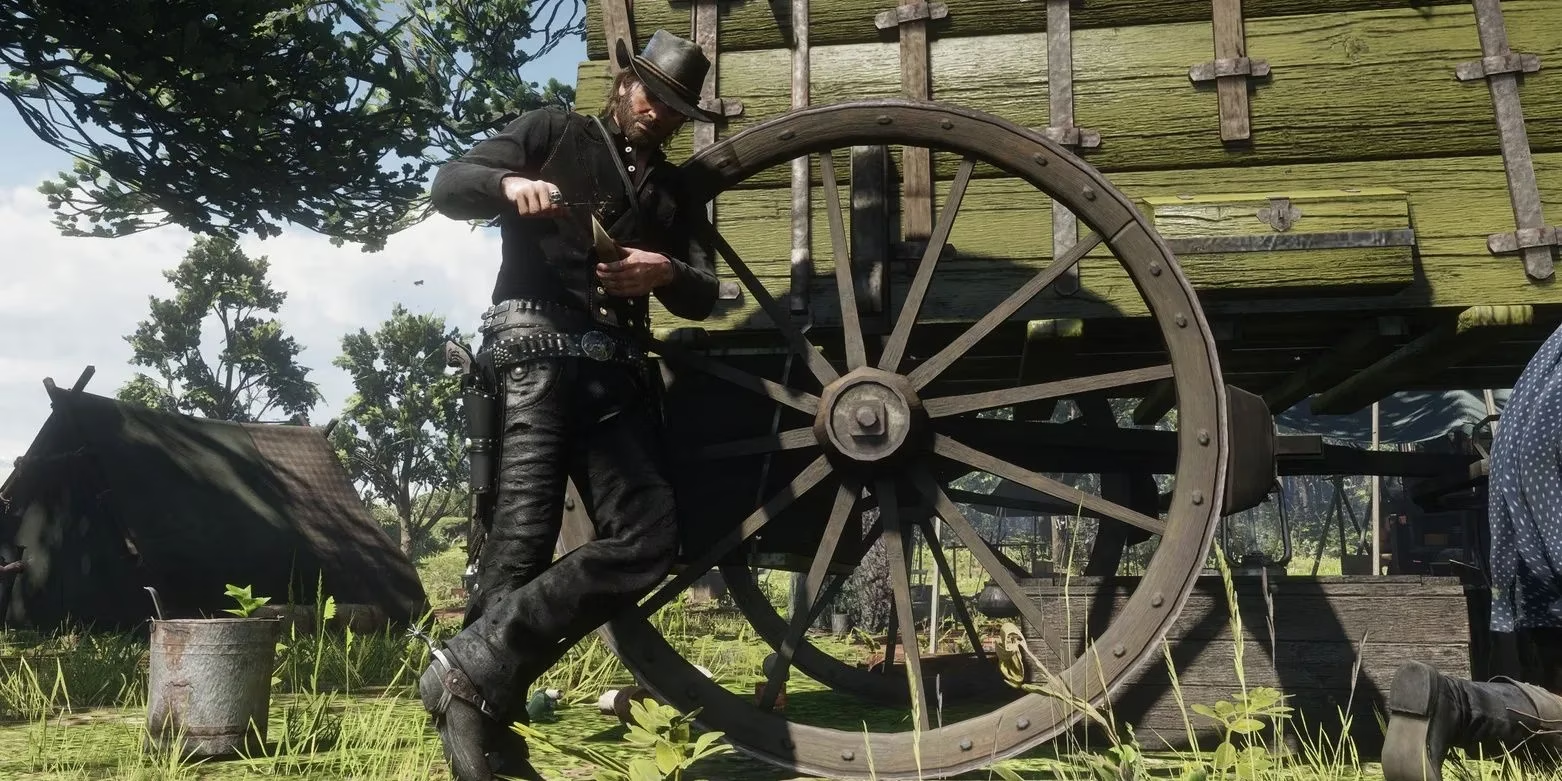
Rockstar's western epic, Red Dead Redemption 2, is all about the details, and weapon care is a cornerstone of its immersive philosophy. Arthur Morgan isn't just carrying tools of destruction; he's tending to prized possessions. Players are encouraged to regularly clean their firearms with gun oil, a process accompanied by satisfying, detailed animations. Neglect has dire, realistic consequences: a dirty rifle will jam at the worst possible moment, turning a tense shootout into a frantic scramble for survival. This system brilliantly ties into the game's themes of upkeep and consequence in a harsh world. Taking a moment to care for your gear at camp isn't a nuisance; it's a vital ritual for a gunslinger who wants to live to see another sunrise.
S.T.A.L.K.E.R. Series: Survival in The Zone
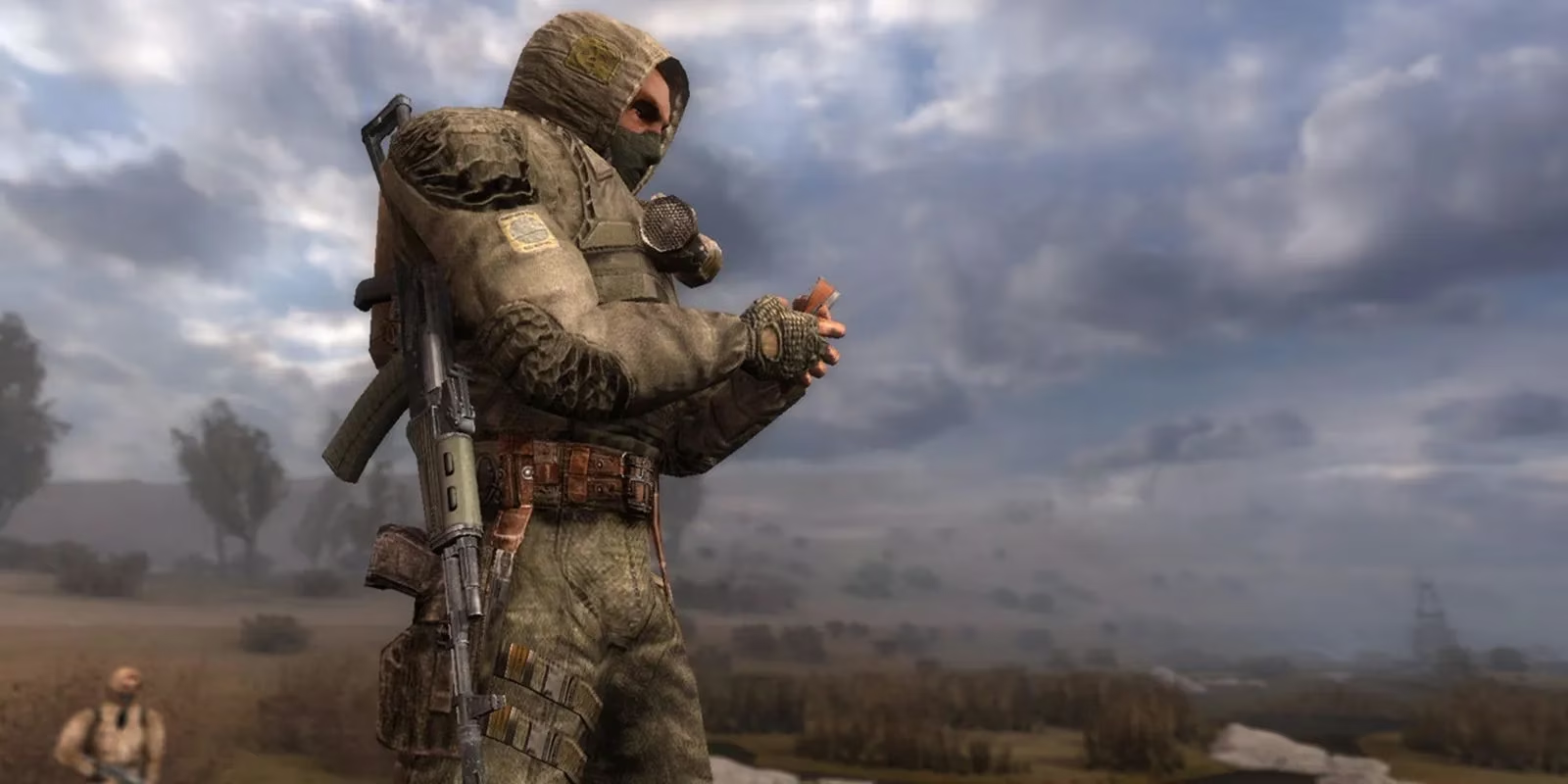
The S.T.A.L.K.E.R. games have always been for the hardcore, the players who relish a challenge where every bullet counts. In the hostile, anomaly-riddled Zone, your firearm is your lifeline, and its condition is a matter of life and death. A poorly maintained weapon doesn't just break—it degrades in performance, hitting for less damage and increasing the chance of a catastrophic jam during a firefight with mutants or bandits. This isn't a minor inconvenience; it's a potential death sentence. The need to seek out technicians and spend precious resources on repairs adds a crucial layer of tension and resource management to the bleak survival experience. In The Zone, you don't just use a gun; you maintain a partnership with it.
Way of the Samurai: The Soul of the Sword
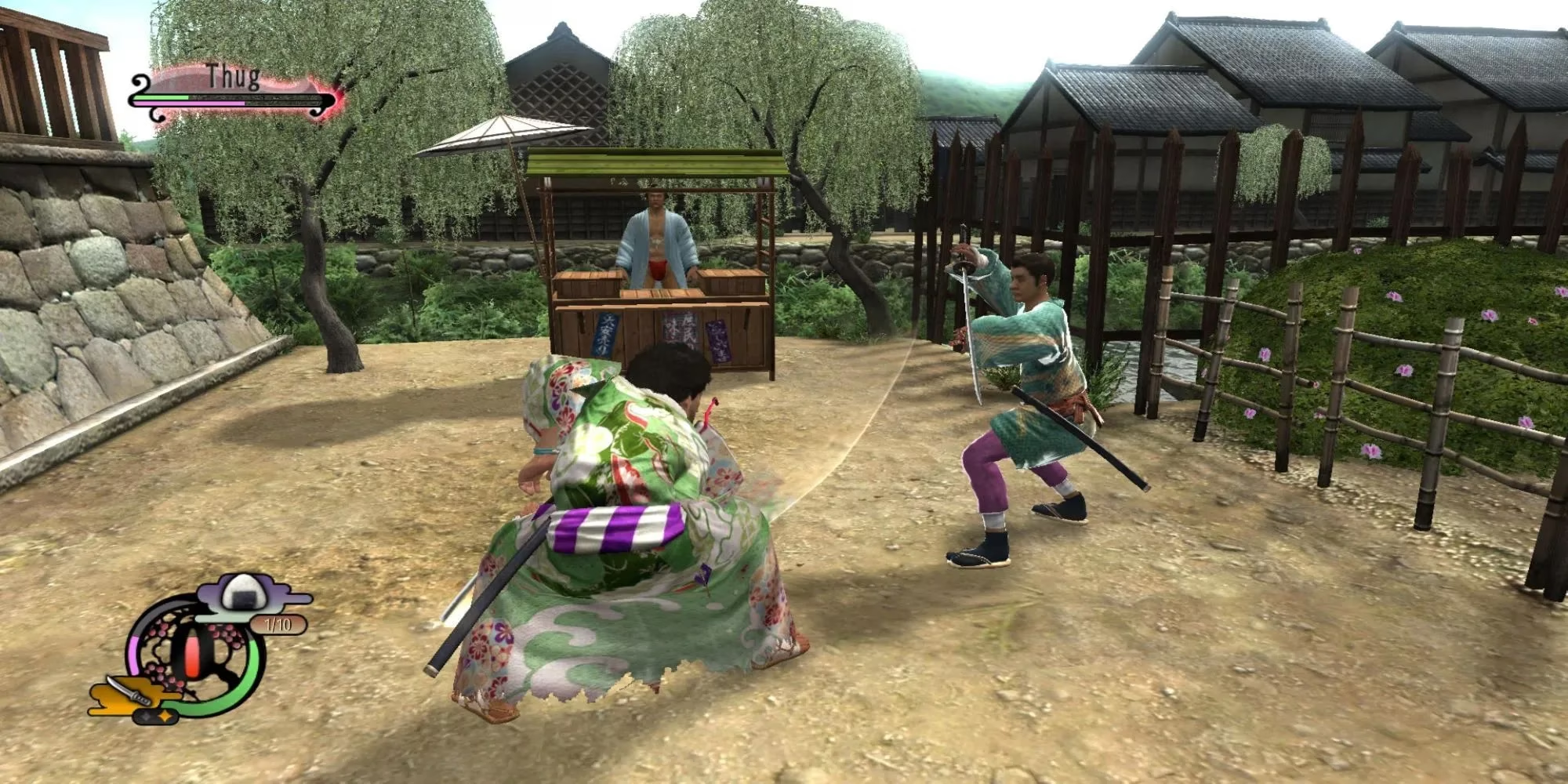
This cult-classic sandbox series has always operated by its own rules, and its weapon system is a prime example. In Way of the Samurai, your katana is more than gear; it's an extension of your character's soul and story. Players can discover, upgrade, and name their blades, investing significant time into forging a legendary weapon. However, this investment is protected by a high-stakes durability system. Letting your finely-honed blade degrade in combat risks it shattering entirely—a truly devastating 'game over' moment for any dedicated warrior. This mechanic forces players to be strategic and respectful in combat, treating each duel with the gravity it deserves and making weapon maintenance a non-negotiable act of preservation.
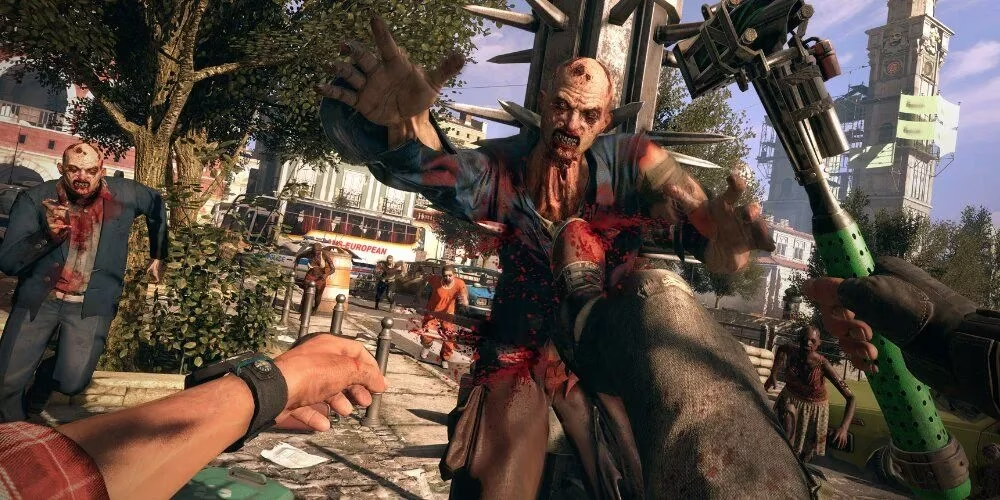
Dying Light: The Scavenger's Calculus
Techland's parkour zombie thriller, Dying Light, approaches durability with a brutal but logical twist. In the decaying city of Harran, weapons are scavenged, makeshift, and they break down fast. The genius lies in the repair system: each weapon can only be fixed a limited number of times before it becomes permanently useless. This creates a compelling 'loot cycle' and a constant risk-reward assessment. Do you use your last repair on a trusty, high-damage crowbar, or save it for a rarer, more powerful fire axe you just found? This system perfectly captures the scavenger ethos of the post-apocalypse. You become attached to your tools, but you also learn to let them go, always on the hunt for the next big thing. It's a mechanic that keeps the gameplay loop fresh and tense.
The Bottom Line: Making Durability Matter
What sets these games apart is how they make weapon maintenance meaningful. It's not a standalone tax on the player; it's woven into the game's core pillars:
| Game | Core Pillar Enhanced by Durability |
|---|---|
| Kingdom Come | Immersive Realism & Skill Progression |
| Red Dead 2 | World Immersion & Character Ritual |
| S.T.A.L.K.E.R. | Hardcore Survival & Tension |
| Way of the Samurai | Personal Investment & Strategic Combat |
| Dying Light | Scavenger Loop & Resource Management |
In 2026, as games continue to push for deeper simulation and player agency, these titles serve as a masterclass. They prove that a well-executed durability system can elevate a game from being just fun to being truly memorable and immersive. It's about creating a tangible connection between the player, their tools, and the world—a connection that, when threatened, makes victory all the sweeter. So, next time you hear your sword clang or your gun jam, don't just see a chore; see an opportunity for a richer story. After all, in these worlds, taking care of your business means taking care of your gear first. 😉
Comments