
DLC That Dared to Be Different: Bold Expansions That Redefined Their Games
Video game downloadable content and expansion packs now deliver bold, genre-defining experiences that reshape gaming’s future.
In 2026, the landscape of video game downloadable content is more vibrant than ever. A decade ago, many players saw DLC as little more than a smattering of cosmetic skins or a handful of short missions. Over the years, however, certain expansion packs have pushed far beyond those narrow definitions, fundamentally altering mechanics, tone, and even entire genres. These daring add-ons didn't just offer more of the same—they reinvented the experience. Here is a look back at nine pieces of DLC that took bold detours and left a lasting mark on gaming.
Far Cry 3: Blood Dragon
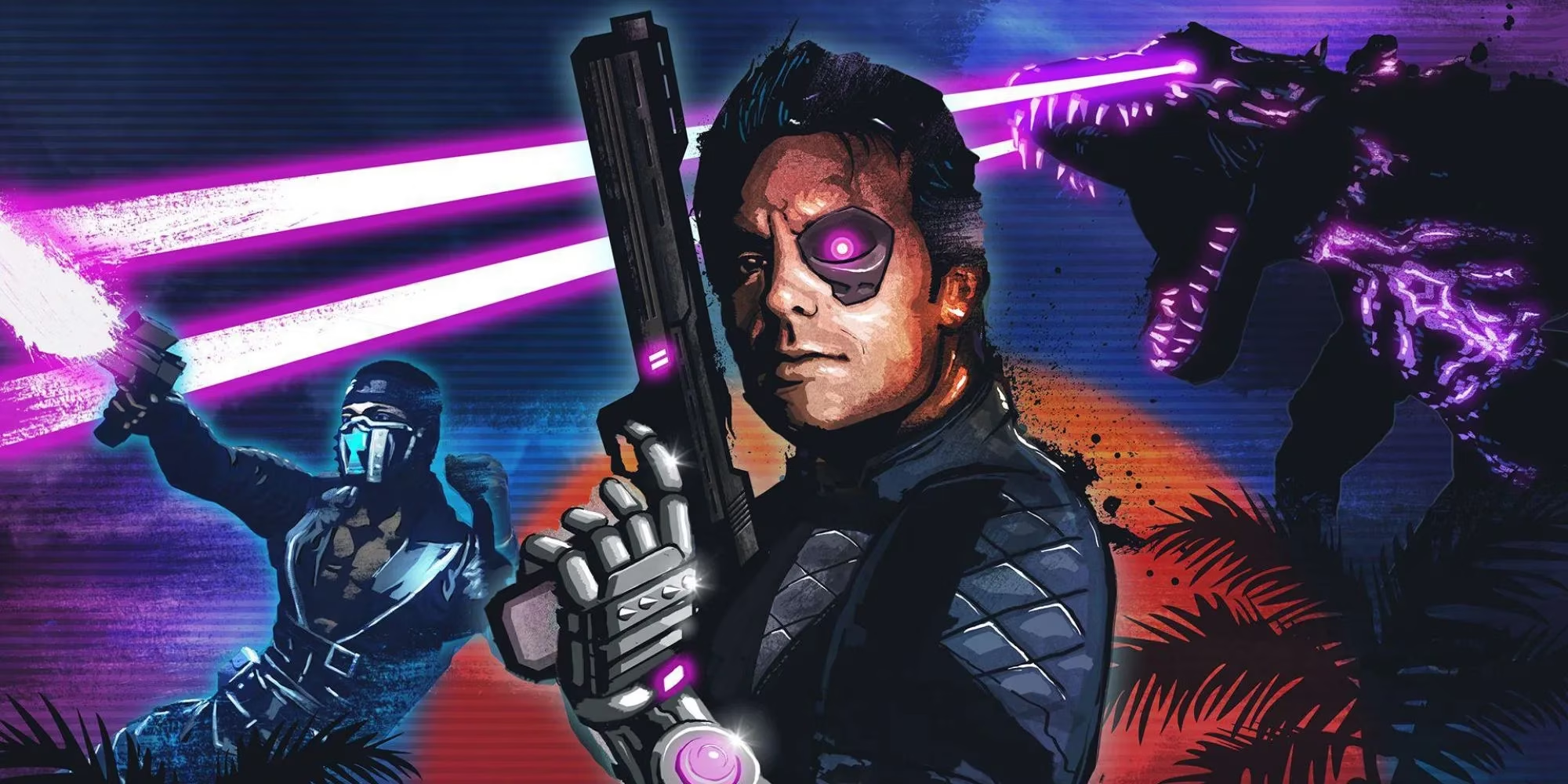
Originally conceived as a simple add-on for Far Cry 3, Blood Dragon mutated into something entirely its own. Abandoning the grounded tropical setting of the base game, it plunged players into a neon-drenched, retro-futuristic fantasy ripped straight from 1980s and '90s B-movies. The entire visual presentation was filtered through a VHS-style lens, replete with scanlines, oversaturated colors, and a synth-heavy soundtrack that felt like a lost John Carpenter score. Humor was cranked to the max, with one-liners and absurd enemies replacing the original's earnest drama. Crucially, the core first-person gunplay remained intact, but the tonal whiplash demonstrated Ubisoft's willingness to experiment. Blood Dragon later launched as a standalone title, serving as a template—for better or worse—for many of the publisher's future expansions.
Horizon: Forbidden West – The Burning Shores
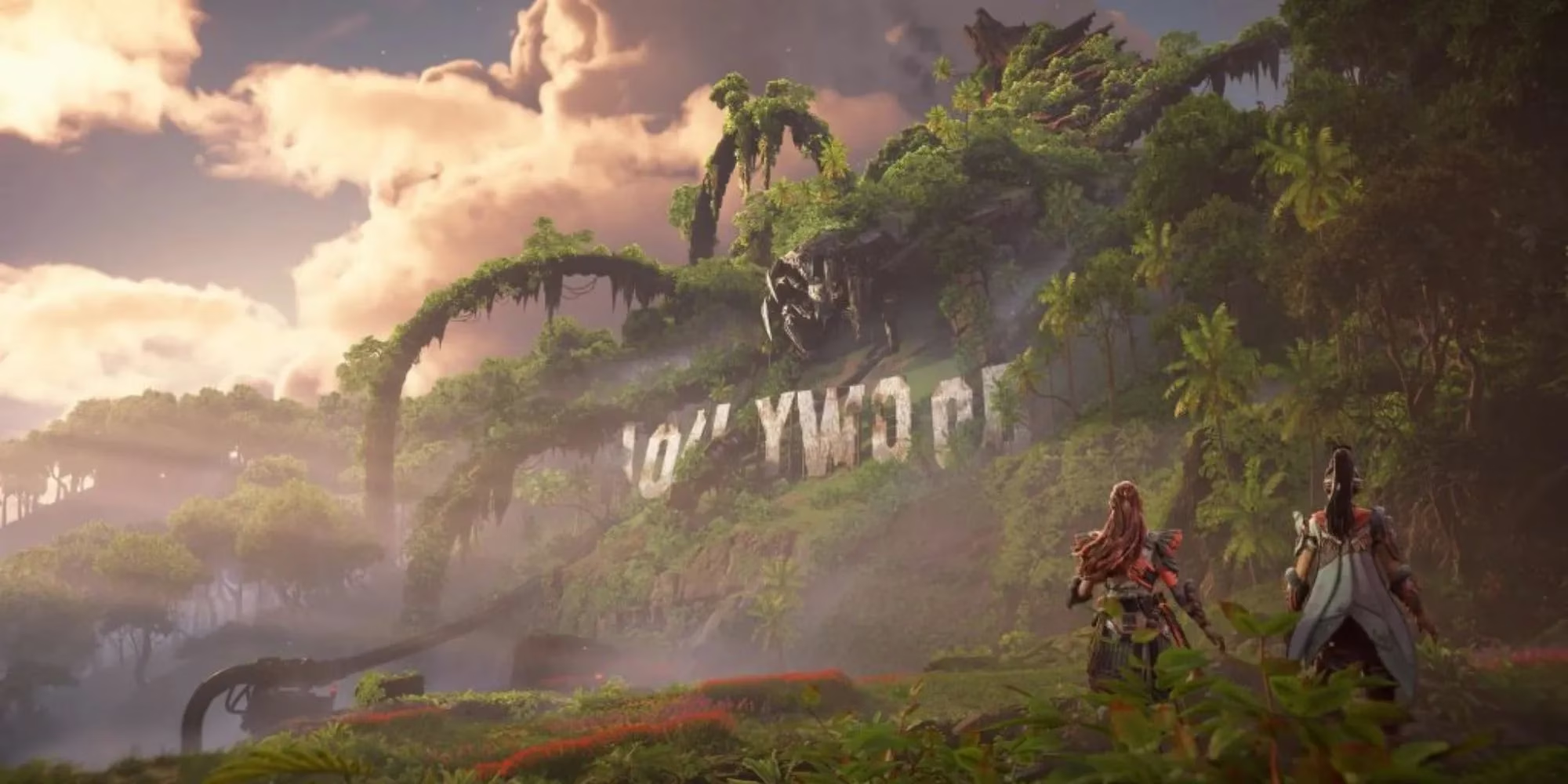
At first glance, The Burning Shores appears to be a textbook story expansion. Aloy travels to a sun-scorched new region, unravels a fresh narrative thread, and faces a handful of novel machines. Yet what sets this DLC apart is its staggering final confrontation. The climactic boss battle pits the huntress against a machine of kaiju proportions, a towering leviathan that must be chased down volcanic slopes, climbed upon, and dismantled from the inside. The sheer scale and cinematic spectacle of this encounter dwarfs anything in the base game. Expansions rarely dare to go this colossal, preferring to stay safely within the bounds of “more content.” Burning Shores proves that DLC can, and occasionally should, surpass the ambitions of the original adventure.
Grand Theft Auto IV: The Ballad of Gay Tony

Grand Theft Auto IV's second expansion served as a raucous farewell to Liberty City, tying up loose story threads while dialing the series' signature chaos to eleven. Beyond the explosive missions and glamorous nightlife, The Ballad of Gay Tony quietly functioned as a testbed for ideas that would later define Grand Theft Auto V. Parachuting, business management systems, and a vastly improved draw distance all made their debut here. The DLC felt more vibrant and kinetic than its parent game, hinting at the direction Rockstar would take in the years to come. In many ways, it was both a love letter to the past and a blueprint for the future.
Cyberpunk 2077: Phantom Liberty
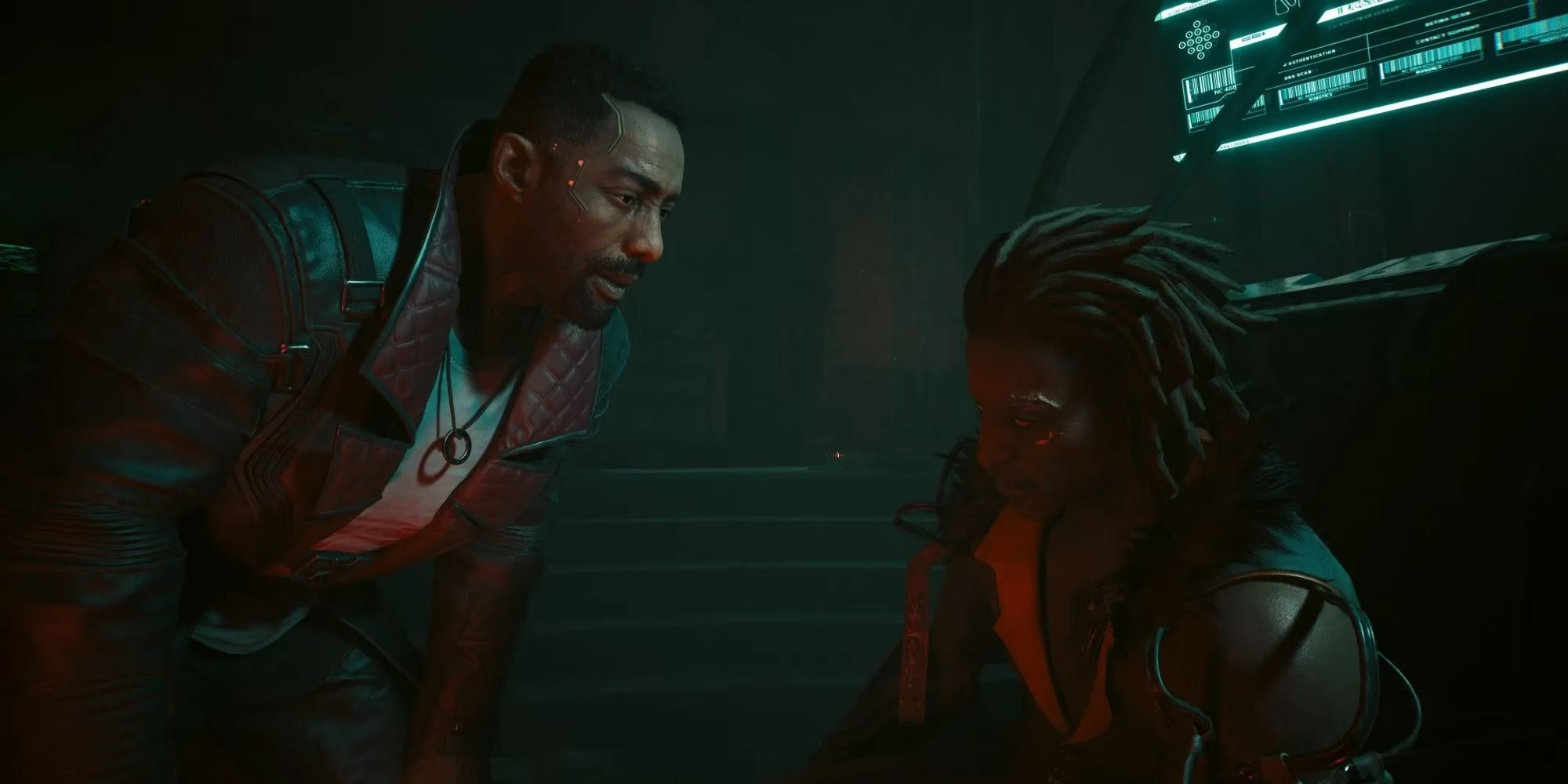
Arriving alongside the game-changing 2.0 update, Phantom Liberty did far more than add a spy-thriller storyline to Night City. It fundamentally reworked how the entire experience played. Weaponized vehicles, mounted guns, and explosive car combat were integrated into both the expansion and the base game. Side gigs were refashioned into narrative-driven set pieces, a stark contrast to the more transactional design of the original. New skill trees and abilitiesgave players wholly fresh build options. For many, Phantom Liberty didn't just represent a rescue arc for Cyberpunk 2077—it transformed the game into something closer to the visionary promise it had always aimed for.
Assassin's Creed: Odyssey – The Fate of Atlantis
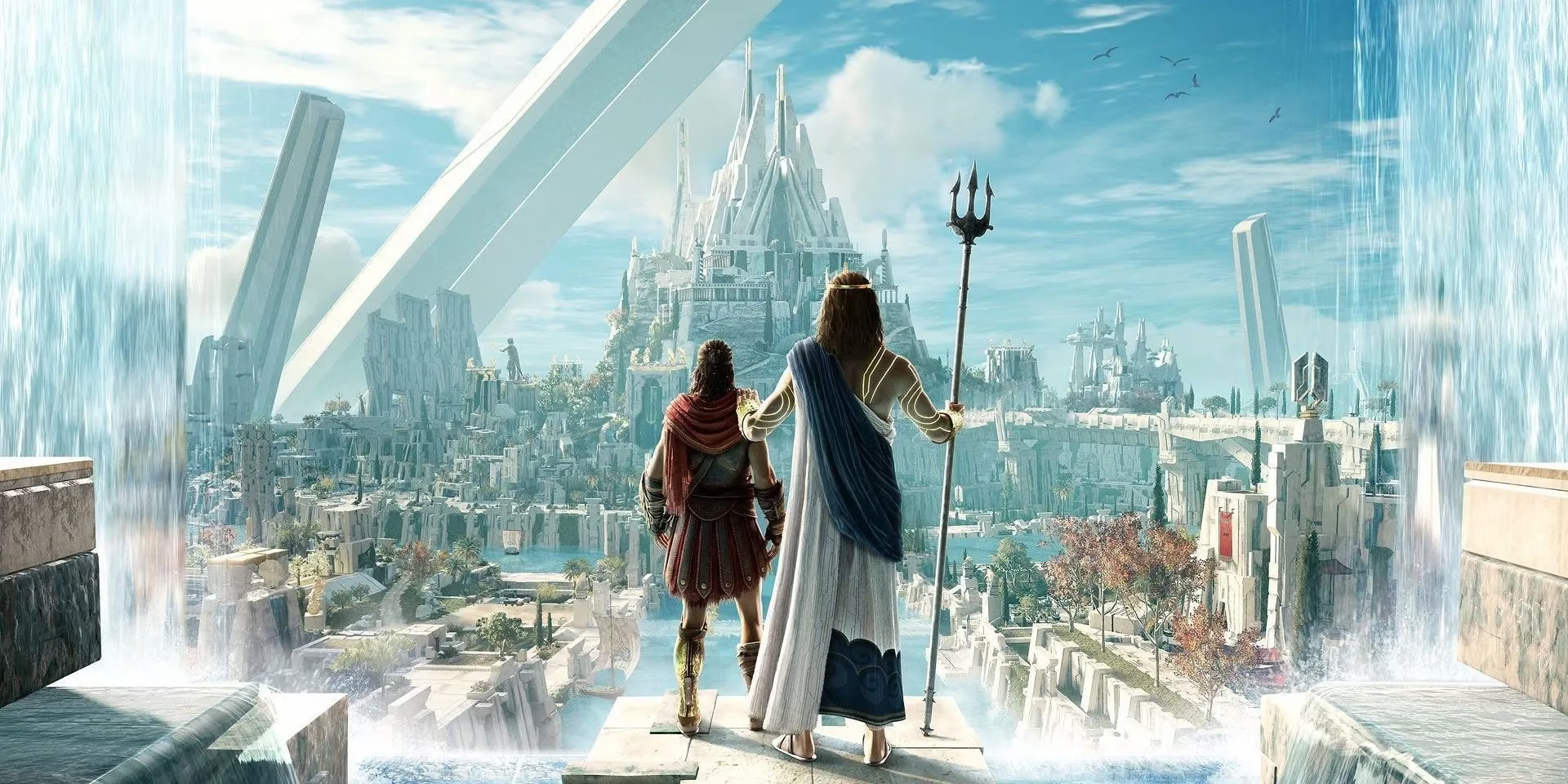
The Assassin's Creed series has always balanced historical tourism with a deep undercurrent of science fiction. The Fate of Atlantis threw the scale entirely toward the fantastical. Set in the gleaming realm of the Isu, the expansion abandoned the series' signature earthy palette for luminous colors and surreal architecture. Players walked among ancient gods, grappled with mythological behemoths, and explored the deeper, weirder corners of the franchise's lore. Tone shifted dramatically too; the DLC embraced a more playful and operatic mood compared to the grounded Mediterranean epic of the base game. It was a reminder that even the most mature series can thrive when they dare to get a little mythical.
The Witcher 3: Blood and Wine & Hearts of Stone
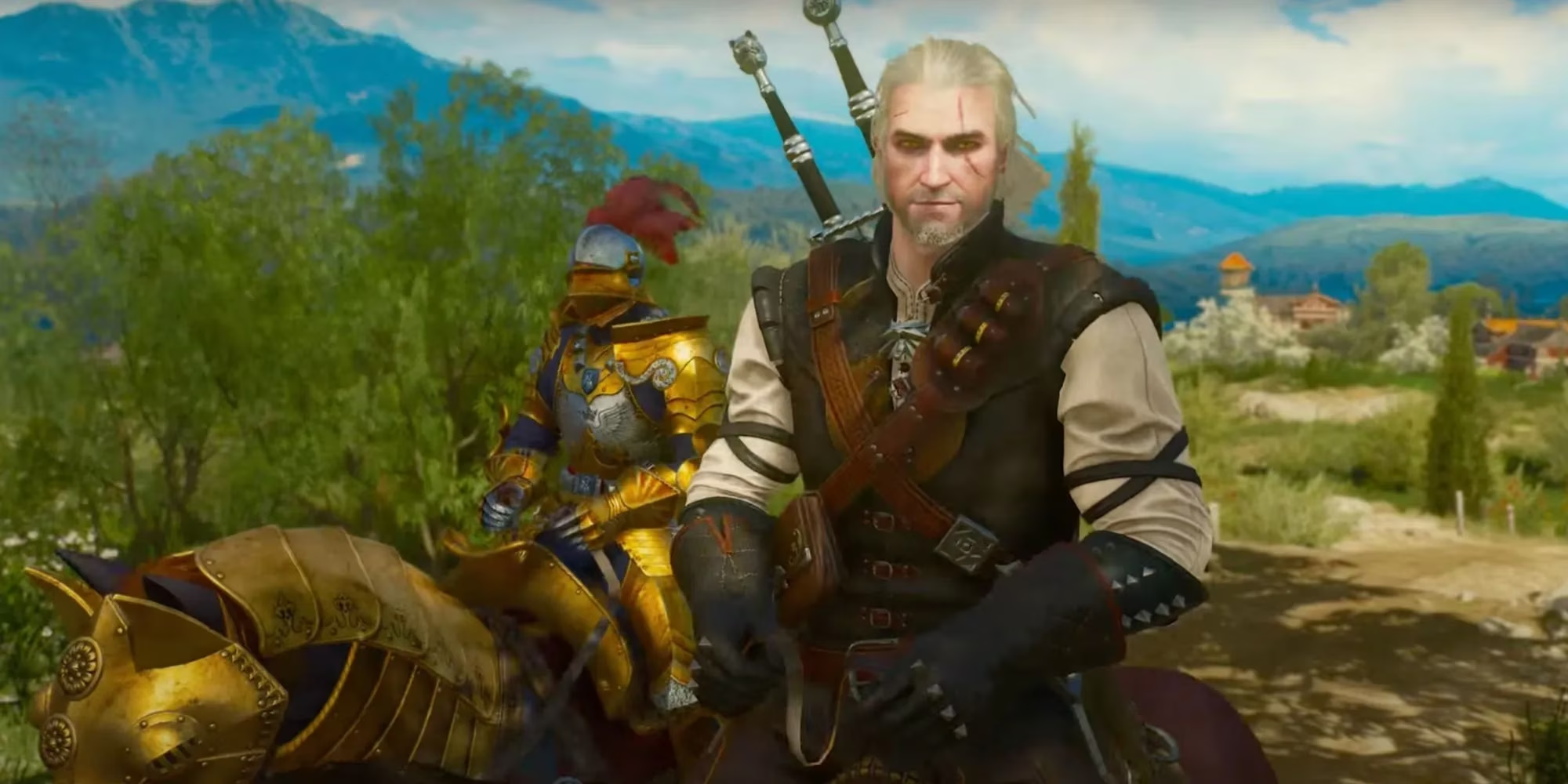
CD Projekt Red's pair of post-launch adventures for The Witcher 3 are often cited as the gold standard for expansions, and for good reason. Each boasted a narrative scope that rivaled—or exceeded—many standalone AAA titles. But length was only part of the story. Hearts of Stone introduced a grim, psychological thriller vibe, while Blood and Wine delivered sun-drenched whimsy and a more overt sense of humor. Together they tweaked Geralt's skill trees, added new mutations, and gifted players a customizable vineyard estate in Toussaint. The studio used the DLC format not just to tell more stories, but to explore themes and tones the main game had largely kept at arm's length.
Hitman: World of Assassination
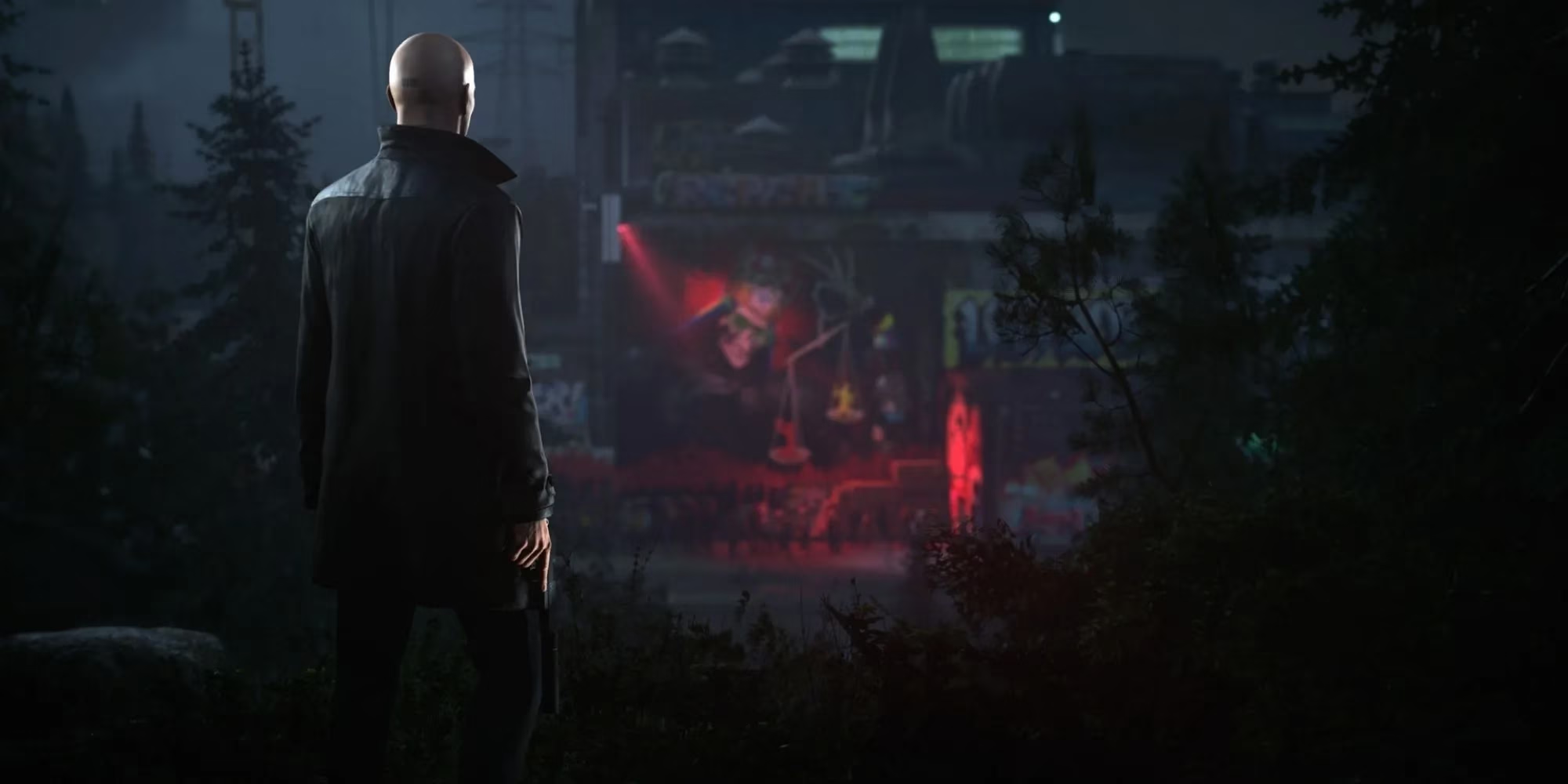
What began as a free update for Hitman 3 ultimately absorbed the entire trilogy into a single, rebranded platform. World of Assassination didn't merely repackage locations and missions; it introduced a roguelike mode that fundamentally shifted the rhythm of play. Agent 47 now had a customizable safehouse, long-term objective chains, and unlocks that encouraged endless experimentation. The new mode echoed the creative sandbox of earlier entries while embracing the polish of the modern era. It was a masterstroke that turned three discrete games into a living, evolving service—all without ever charging a penny for the transformation.
Red Dead Redemption: Undead Nightmare
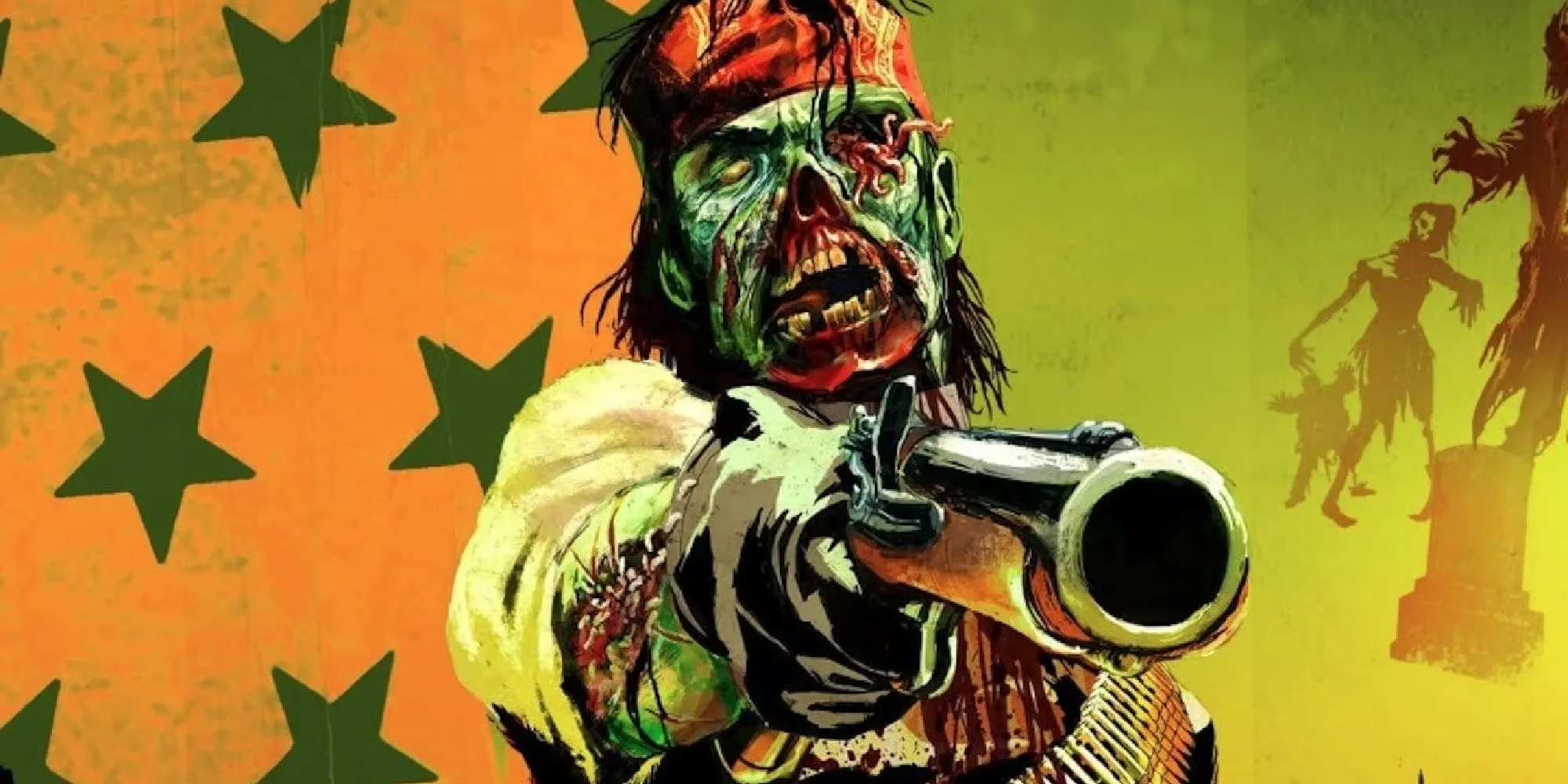
At a time when single-player DLC was still finding its footing, Undead Nightmare arrived like a bolt from the dark. The expansion discarded Red Dead Redemption's melancholic Western drama and replaced it with a full-blown zombie apocalypse. Familiar towns were draped in fog, beloved characters turned into shambling horrors, and John Marston found himself fighting not outlaws, but hordes of the undead. New weapons, mythical mounts, and a pervasive sense of dread gave the game an entirely new identity. It remains one of the most audacious tonal shifts in DLC history, proving that even the most serious stories can survive—and thrive—in a world gone mad.
Prey: Mooncrash
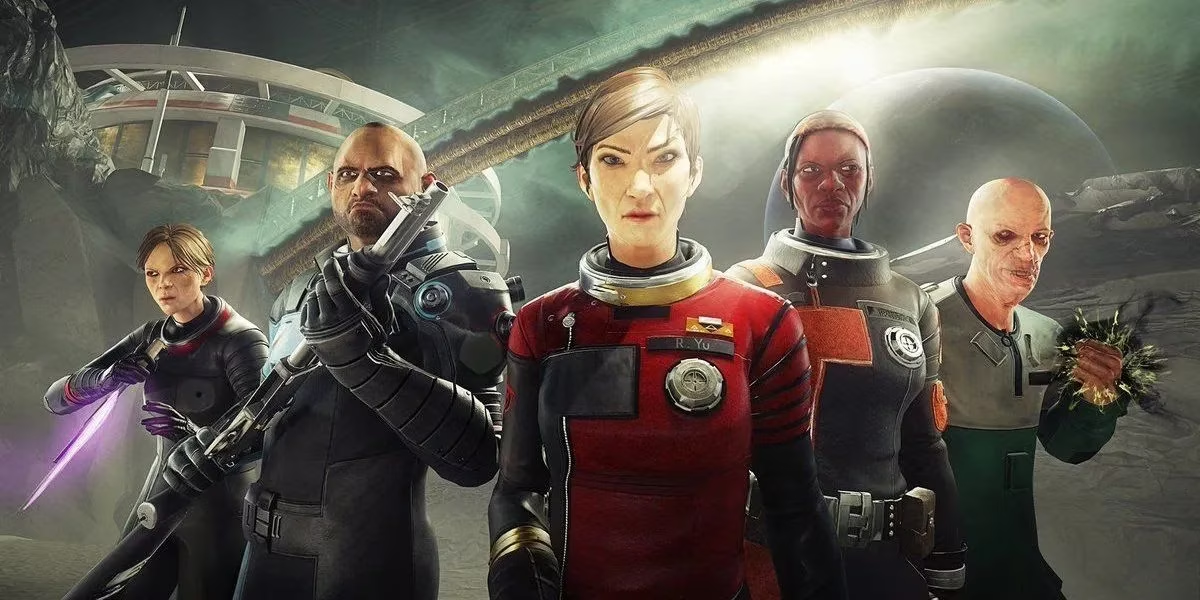
Prey was already a singular experience: a psychological sci-fi horror game where mimics could masquerade as any object in the environment. Its DLC, Mooncrash, took that tension and fed it into an entirely new loop. Instead of a linear, narrative-driven campaign, players were dropped into a rogue-lite structure. Enemies, hazards, and level layouts shifted with each run, and death meant starting over with a different character who faced a freshly scrambled station. The result was a tense, unpredictable puzzle box that felt wholly distinct from the base game while preserving its soul. Mooncrash showed that even the most atmospheric, story-rich games could successfully embrace systemic replayability.
From neon rebels to kaiju confrontations, these nine expansions demonstrate that the best DLC doesn't just extend a game—it transforms it. As developers in 2026 continue to blur the line between full releases and downloadable episodes, the lessons of these bold experiments remain more relevant than ever.
Comments