
Ghost of Yotei: Why It Should Embrace Red Dead Redemption 2's Horse Taming Feature
Ghost of Yotei horse taming elevates open-world gameplay, blending Red Dead Redemption 2 inspiration with Ezo's wild beauty for immersive adventure.
While Ghost of Yotei might not be the direct sequel to Ghost of Tsushima that many fans initially anticipated, this very distinction opens up a world of possibilities for innovation. Set in the rugged, snowy landscapes of Ezo—modern-day Hokkaido—centered around Mount Yotei, the game promises a brand-new origin story. Its protagonist, Atsu, is portrayed as an outlaw, drawing immediate parallels to the tone and feel of Western narratives, much like Red Dead Redemption 2's Arthur Morgan. This shift in setting and character already signals a departure from its predecessor, inviting comparisons to one of the most immersive open-world games ever made. Given these similarities, Ghost of Yotei has a golden opportunity to delve deeper into the mechanics that made Red Dead Redemption 2 so memorable, particularly one standout feature: horse taming.
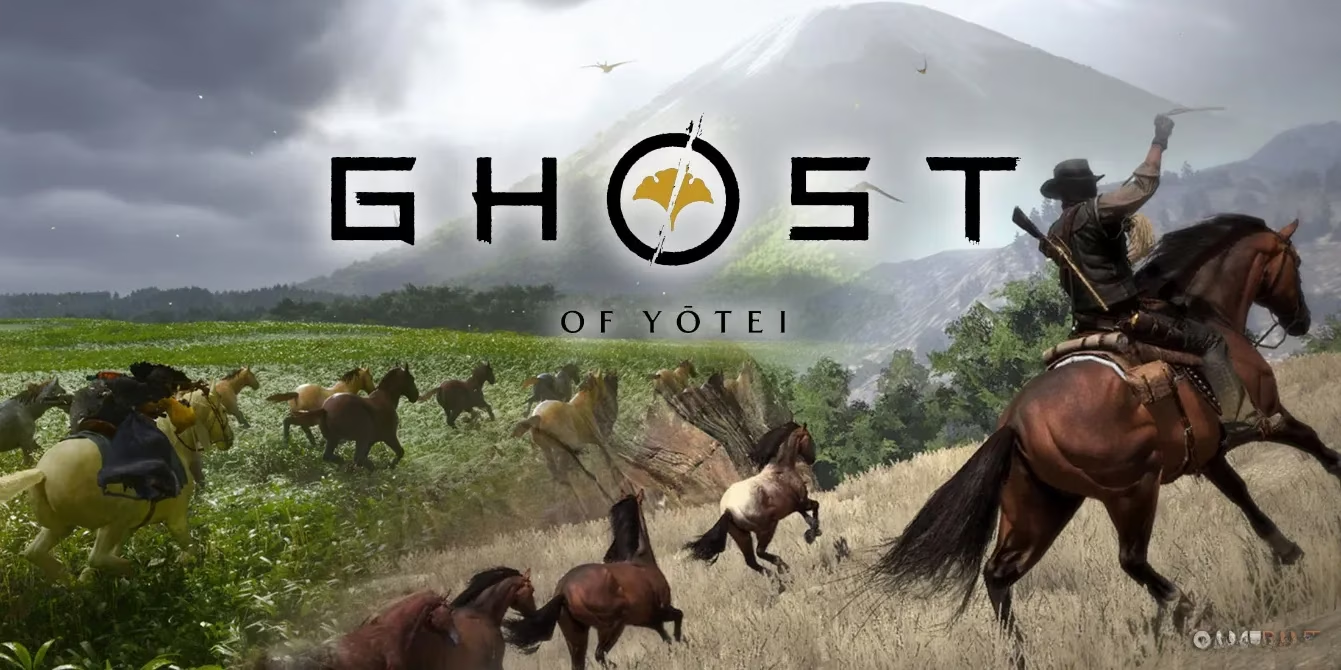
Why Horse Taming Fits Perfectly in Ghost of Yotei's World 👀
The announcement trailer for Ghost of Yotei offers a glimpse of Atsu riding gracefully through a herd of wild horses. This isn't just a scenic moment; it feels like a deliberate nod to the potential for a deeper equestrian system. In Ghost of Tsushima, the bond with Jin's horse was poignant but largely passive—players experienced it through Jin's eyes. Ghost of Yotei could transform this relationship by putting the taming process directly in the player's hands. Imagine navigating the frosty plains of Ezo, spotting a majestic wild horse, and engaging in a careful, patient mini-game to earn its trust. This wouldn't just be a gameplay addition; it would be a narrative tool, reinforcing Atsu's connection to the untamed land she inhabits.
Learning from Red Dead Redemption 2's Success 🏆
Red Dead Redemption 2's horse-taming feature is celebrated for several reasons:
-
Player Agency & Choice: Instead of being handed a horse, players explore the world to find and tame their perfect companion from a diverse range of breeds, each with unique stats.
-
Emotional Bond: The effort required to tame a wild horse—soothing it, calming its fears, and finally mounting it—fosters a deeper, more personal connection than simply buying one from a stable.
-
Gameplay Depth: With varied horse attributes affecting speed, stamina, and handling, taming becomes a strategic pursuit, encouraging exploration and mastery.
Ghost of Yotei, with its focus on the harsh, beautiful wilderness of Ezo, is the ideal canvas to adapt this mechanic. The game's environment, filled with roaming herds, practically begs for such an interactive system.
How Ghost of Yotei Could Innovate on the Feature ✨
While borrowing inspiration, Ghost of Yotei shouldn't just copy-paste the mechanic. It could introduce its own unique twists:
-
Cultural Integration: Incorporate elements of Ainu or Japanese horsemanship traditions into the taming process. Maybe use specific whistles, gestures, or even offerings to calm the animals.
-
Environmental Challenges: Taming could be affected by weather—blizzards might make horses more skittish, while calm sunny days could make the process easier.
-
Progressive Bonding: The relationship wouldn't end at taming. Players could engage in activities like grooming, feeding, and leading their horse through challenges to unlock special abilities or loyalty perks.
-
Narrative Weight: Perhaps certain rare horses are tied to side quests or legends within the world of Ezo, making the hunt for them a meaningful part of Atsu's journey.
Beyond Gameplay: Enhancing the Player's Journey 🗺️
A horse in Ghost of Yotei wouldn't just be a vehicle; it could become a true companion. In Red Dead Redemption 2, losing a bonded horse was emotionally devastating. Ghost of Yotei could evoke similar feelings, making players genuinely care for their digital steed. This emotional investment would make exploration more rewarding and the world feel more alive. Furthermore, in a game that seems to emphasize the lone, outlaw experience, a tamed horse could serve as Atsu's only consistent ally, silently sharing in her struggles and triumphs across the vast, hostile terrain.
Potential Challenges and Solutions ⚙️
Implementing a convincing horse-taming mini-game is the biggest hurdle. It needs to be engaging but not frustrating. Red Dead Redemption 2's system was simple yet required patience. Ghost of Yotei could add a layer of skill, perhaps involving timing-based button presses or careful movement to approach the horse without startling it. The key is to make the success feel earned, not random. Additionally, the game would need a robust variety of horse models and behaviors to make the search for a perfect mount feel worthwhile.
Conclusion: A Natural Evolution 🔮
Ghost of Tsushima was praised for its beauty and combat, but Ghost of Yotei has the chance to push the immersion further. By integrating a refined horse-taming system inspired by Red Dead Redemption 2, it can offer players a fresh, hands-on way to interact with its stunning world. This feature aligns perfectly with the game's Western outlaw inspiration and its untamed Hokkaido setting. It's more than just a cool mechanic; it's a potential cornerstone for building a deeper, more personal adventure. As of 2026, with player expectations for open-world depth higher than ever, such an addition could be exactly what sets Ghost of Yotei apart as a groundbreaking experience. Here's hoping Sucker Punch seizes this opportunity to let players not just ride through Ezo, but truly become a part of it, one tamed horse at a time.
Comments